
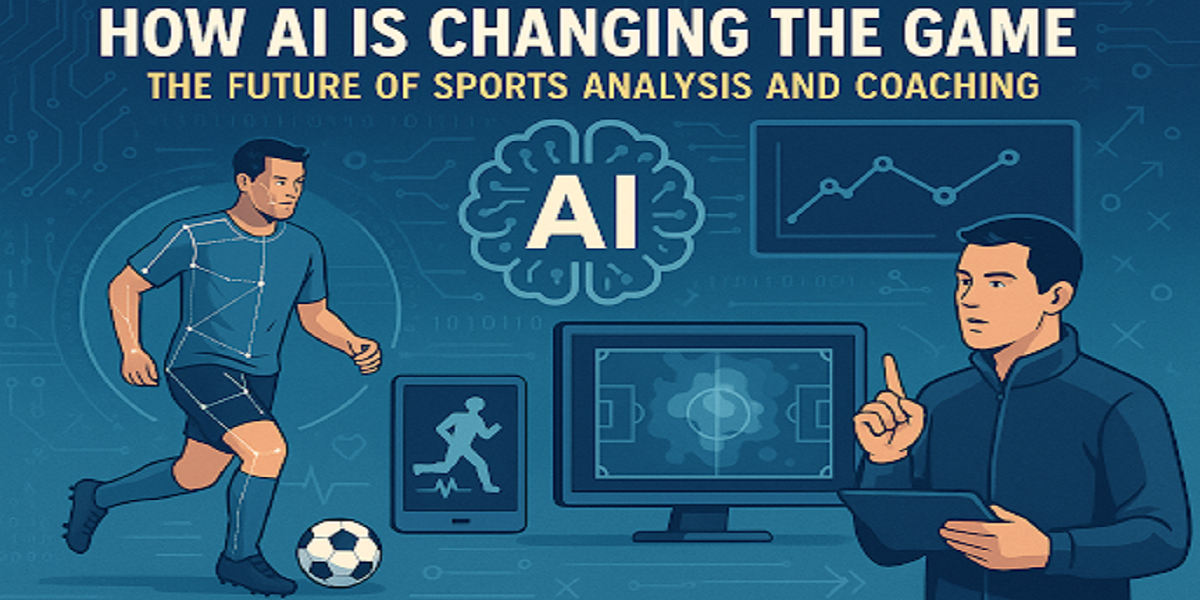
How AI Is Changing the Game: The Future of Sports Analysis and Coaching
- By Agus Hendra Saputra
- 17-07-2025
- Artificial Intelligence
Artificial intelligence and sports no longer belong to separate worlds. They’ve merged—and not in theory, but in practice. From sharpening coaching strategies to anticipating injuries, AI is quietly altering the core of competitive athletics. What was once reserved for university labs and curious researchers now powers top-tier teams striving to outthink, outplay, and outlast their rivals. Watch any major match—football, tennis, basketball, or even esports—and chances are, AI has already played its part before the first whistle.
What makes this transformation so compelling isn’t just the volume of data collected. It’s what happens after. AI doesn’t just track; it interprets. Coaches simulate countless matchups in advance. Scouts uncover hidden talent from raw footage. Medical teams detect risks before they become injuries. This evolution isn’t subtle—it’s sweeping, stretching from junior training camps to the world’s grandest arenas.
Data has been creeping into sports since the early 2000s. But the last five years have seen AI shift that slow crawl into a sprint. What began with basic stats and clunky video replays has matured into real-time predictions, automated scouting, and tailored coaching. Today, AI is no longer the backstage tool—it’s stepping onto the pitch.
This shift is more than a tech upgrade. It’s redefining roles. Coaches, analysts, scouts, even athletes themselves—they’re all operating on a new level. In this article, we dive into how AI is shaping sports today, what it enables, where it falls short, and what lies ahead.
The Rise of Data-Driven Decision Making in Sports
AI in sports draws strength from data. Today’s games produce mountains of it—heart rates, movement paths, gameplay stats, and more. Human analysts might take days to process all that information. AI handles it in real time, exposing patterns that could take a trained eye years to catch.
In basketball, tools like the NBA’s Second Spectrum track every movement on the court. The result? Coaches can dissect player spacing, defensive gaps, and offensive strategies down to the centimeter.
Soccer clubs rely on platforms like SkillCorner and SciSports. These systems break down off-ball movement and positional behavior—details once considered too fluid to measure. Now, they’re key to tactical refinement and smarter scouting.
Baseball uses Statcast to read every pitch and swing with precision. In American football, RFID chips track players’ speed and position, helping teams monitor fatigue and adjust in real time. Across sports, AI makes every decision smarter—even the smallest edge can be the difference between winning and losing.
AI in Coaching: Personalized, Real-Time Feedback
Modern coaching has left the one-size-fits-all era behind. AI brings precision into play. Every session, every tactic, every recovery plan—it’s all shaped around the individual.
Wearables like Catapult and Whoop collect everything from heart rate to mental fatigue. AI pulls those metrics together and builds custom plans that adjust daily. The result? Athletes train smarter, not just harder.
Mental preparation gets the AI treatment, too. Some platforms measure reaction speed, decision-making, and spatial awareness. Coaches use that insight to improve a player’s thinking on the pitch—not just their fitness.
Video tools like Hudl and Wyscout cut hours of footage into digestible insights. They flag defensive lapses, highlight transition moments, and break down tactics automatically. Coaches get what they need—fast.
In the end, AI acts as an ever-watchful assistant. It doesn’t replace the coach’s instinct. It enhances it—with data, visuals, and alerts that help make the right call, right when it matters.
Predictive Modeling: From Match Results to Injury Risk
AI's power isn’t limited to hindsight. It thrives on foresight. From forecasting match results to anticipating player injuries, predictive modeling is changing how teams plan, react, and adapt.
These models digest everything—match data, player form, opponent history, weather, even referee patterns. With that information, they simulate thousands of outcomes. Coaches get a glimpse of what’s likely to unfold and adjust strategies accordingly.
For fans, it’s about better storytelling. Broadcasters now use AI-driven win probabilities and dynamic graphics that evolve with the game. But the deeper value lies behind the scenes—where teams tweak lineups, switch formations, or hold players back based on what the models predict.
Injury prevention may be the most valuable breakthrough. AI systems study biomechanics, exertion, and historical data to flag risks before symptoms emerge. An unusual gait, slower recovery, or sudden drop in intensity—these subtle cues become early warnings.
Top-tier leagues like the NFL and Premier League now treat this tech as essential. Not a luxury. Predictive modeling isn’t just about guessing—it’s about preparing smarter and protecting athletes.
Automation in Scouting and Talent Identification
Scouting used to rely heavily on travel, instinct, and chance. Now it runs on data, automation, and machine vision. AI doesn’t just streamline the scouting process—it reshapes it from the ground up.
Modern video platforms tag and sort game footage automatically. Goals, tackles, passes—they’re all clipped and catalogued by AI. Clubs no longer need to sift through hours of footage. They can zero in on talent in minutes, across continents, with fewer resources.
Startups like Zone7 and ai.io have gone further. These systems compare youth players to pros using historical benchmarks and biomechanical data. A young athlete’s sprint style or passing rhythm is measured against elite standards, helping teams predict long-term potential.
AI also levels the playing field. Clubs in smaller markets, working with modest budgets, can now access tools that once belonged only to the elite. With just a camera setup and analysis software, they track ball control, field awareness, and speed—without needing scouts on-site.
The result? A more objective scouting model. One that doesn’t replace human judgment but complements it. Less guesswork. More grounded decisions. And a global talent pool that’s finally being seen through the same lens—data-informed, accessible, and fair.
AI-Powered Fan Engagement: A New Frontier
AI isn't just changing the way games are played—it’s redefining what it means to be a fan. With audiences more connected and more demanding than ever, AI is stepping in to make their experience deeper, more personal, and undeniably interactive.
These days, AI platforms can whip up highlight reels tailored to individual viewers. They focus on favorite players, preferred teams, and even specific types of plays. By analyzing what fans watch, how long they watch, and what they revisit, AI curates content that strikes an emotional chord and keeps them coming back.
And it doesn’t stop there. AI assistants and chatbots are now providing fans with live stats, game history, and tactical explanations right when they’re needed. During the heat of a match, fans can ask questions and get instant insights. Some platforms are even experimenting with AI-generated commentary that adapts to the flow of the game.
Fantasy sports platforms are also evolving. Real-time forecasts, injury warnings, and trade advice now come from AI models that learn and improve with every game. This not only boosts competitiveness but also raises the level of enjoyment for casual and hardcore players alike.
Looking ahead, the fan experience will only get richer. We’ll see AI-curated communities, immersive AR overlays during games, and digital collectibles designed just for you. Fandom is becoming a dialogue, not a broadcast—and AI is at the heart of that shift.
Benefits of AI in Sports
AI’s impact goes far beyond convenience. It’s transforming how athletes train, how teams compete, and how organizations operate—at every level of sport.
- Speed: What once took hours now takes minutes. Entire matches, statistical trends, and player performances can be reviewed in real time, giving coaches critical insights exactly when they need them—especially between back-to-back fixtures.
- Accuracy: AI spots what the human eye often can’t. Tiny changes in movement, subtle habits, or repeat patterns—all identified with pinpoint precision. This leads to smarter tactics and more reliable injury prevention.
- Personalization: Every athlete is different. AI takes in physical, mental, and emotional data to create tailored plans—from training to recovery to nutrition. This isn’t generic coaching—it’s precision-built support.
- Scalability: AI fits any budget. Whether it’s a grassroots team or a global powerhouse, the tech adapts to the size and needs of the organization. Small clubs can now punch above their weight with tools once reserved for giants.
- Consistency: AI doesn’t have off days. It brings stability to analysis and evaluation—making it easier to compare players, assess strategies, and make fair, repeatable decisions under pressure.
The Limitations: Can AI Truly “Understand” the Game?
Still, AI has its limits. It doesn’t feel pressure. It doesn’t understand the roar of a crowd or the emotion behind a rivalry match. It can read numbers—but not passion.
Context matters. Human coaches consider atmosphere, mental state, and gut instinct. AI doesn’t. Over-relying on it risks turning games into algorithms—stripping away creativity in favor of probability.
Another pitfall? Data quality. Flawed or biased input leads to flawed results. In diverse leagues with uneven standards, this can skew insights and lead to poor decisions.
Then there’s the transparency issue. Many AI models are black boxes. They give you the answer, but not the reasoning. In high-stakes settings, that’s not always enough. People need to trust the why—not just the what.
Ethical Considerations in AI-Powered Coaching
With more data comes more responsibility. And in sports, the ethical questions around AI are only growing.
First, data ownership. Wearables and apps gather deeply personal information. But who gets to keep it? Who decides how it’s used? Athletes must have a say in what happens to their data.
Then there’s bias. If an AI model is trained on narrow data—say, only from elite athletes or one region—it can exclude those who don’t fit the mold. That risks reinforcing old inequalities instead of fixing them.
Transparency is crucial. Players and coaches must understand how AI tools make decisions—especially when careers are on the line.
And most importantly, the human factor can’t be lost. AI should support people—not override them. Coaching is about leadership, connection, and judgment. No machine should replace that.
The Future: Human-AI Collaboration in Coaching
Coaches aren’t going anywhere. But AI is helping them shift focus—from grunt work to strategy, from managing data to managing people.
Picture this: a coach outlines a plan, and AI runs thousands of simulations to test different outcomes. Then the coach adapts that plan using real-world insight—team chemistry, weather, rivalries, and more. It’s not man versus machine. It’s man with machine.
Some teams, like Bayern Munich and Liverpool, already use this setup. Performance dashboards. Automated opponent scouting. Real-time load tracking. It’s all part of a hybrid model that keeps intuition front and center, while leveraging everything AI can offer.
The coach becomes a conductor—guiding the orchestra, while AI handles the sheet music and instruments.
Building Smarter Training Facilities
Training grounds are evolving fast. They’re not just gyms—they’re intelligent ecosystems. With AI, everything responds to the athlete.
Sensors track fatigue. Cameras monitor technique. Air quality, lighting, and temperature can shift automatically based on recovery needs. A tired player? The environment adjusts before they even say a word.
VR and AR are getting in on the act, too. Players run drills in virtual stadiums packed with noise, movement, and pressure—training not just their bodies but their minds.
Behind the scenes, AI streamlines operations. It forecasts maintenance, schedules equipment use, and cuts waste. The result? A smoother, leaner, more responsive facility that puts performance first.
AI and Mental Health Support for Athletes
Athletes are under immense pressure. And now, finally, mental health is getting the attention it deserves. AI is part of that progress.
Apps now use language processing to flag changes in mood, stress, or energy. A dip in tone. A shift in wording. These small cues can prompt early support.
AI chatbots also create safe, judgment-free spaces. Athletes talk, reflect, and get guidance—all without the pressure of a formal session. It’s not a replacement for therapy, but it helps bridge the gap.
When used wisely, these tools catch problems early. They help athletes build habits that support long-term well-being. And they fit into daily routines without adding extra burden.
Soon, we’ll see even tighter links between AI and human-led care. Together, they’ll create a full-circle approach—one that values physical and mental health equally.
What Comes Next?
AI in sports is just getting started. But its direction is clear—and its potential, vast.
- Emotion-aware AI will recognize when players are frustrated or focused, just by reading body language or tone of voice. Coaches will get real-time cues on morale and mindset.
- Augmented reality coaching will bring stats to your field of vision—heatmaps, formations, even opponent tendencies—so coaches can react without ever looking at a screen.
- Fan personalization will explode. Expect curated replays, real-time stats, and interactive visuals all tuned to your tastes—whether you’re into tactics, fantasy leagues, or just your favorite striker.
- Smart playbooks will adapt on the fly. Based on fatigue, opposition changes, or momentum shifts, AI will suggest plays in real time. The gap between strategy and execution will shrink fast.
- Fairness tools will spotlight bias. AI will analyze recruitment, minutes played, and pay gaps—helping teams spot inequality and build more inclusive cultures.
The result? A smarter, fairer, and more connected sporting world—driven by data but grounded in people.
Final Thoughts
AI won’t kill the game. It’ll elevate it. Coaches will be sharper. Players will be healthier. Fans will be closer to the action than ever before.
But the magic of sports? That still belongs to people. The roar of the underdog. The beauty of a perfectly timed pass. The human spark.
As AI grows, so must our responsibility. Use it with care. Build trust. Stay transparent. That’s how we ensure the tech serves the game—not the other way around.
In the end, it’s not man or machine. It’s both—working together. That’s the winning formula for the next generation of sports.
Author

Agus Hendra Saputra
Agus Hendra Saputra is a sports analytics enthusiast with over seven years of experience exploring the numbers behind the game. At OddsSurfer, he dives deep into football and basketball, breaking down plays, patterns, and performance to uncover what drives success on the field. For Agus, it’s not just about who wins—it’s about understanding why.
Recent blog
.jpg)
Role of DEX Development in Decentralized Finance
Technology | 24-09-2026.jpg)
How to Evaluate Outsourced Link Building Without SEO Risk
SEO | 23-09-2026.jpg)
Optimize Salesforce Data Before Deploying AI Agents
Salesforce | 22-09-2026